
Health & Independent Living Support
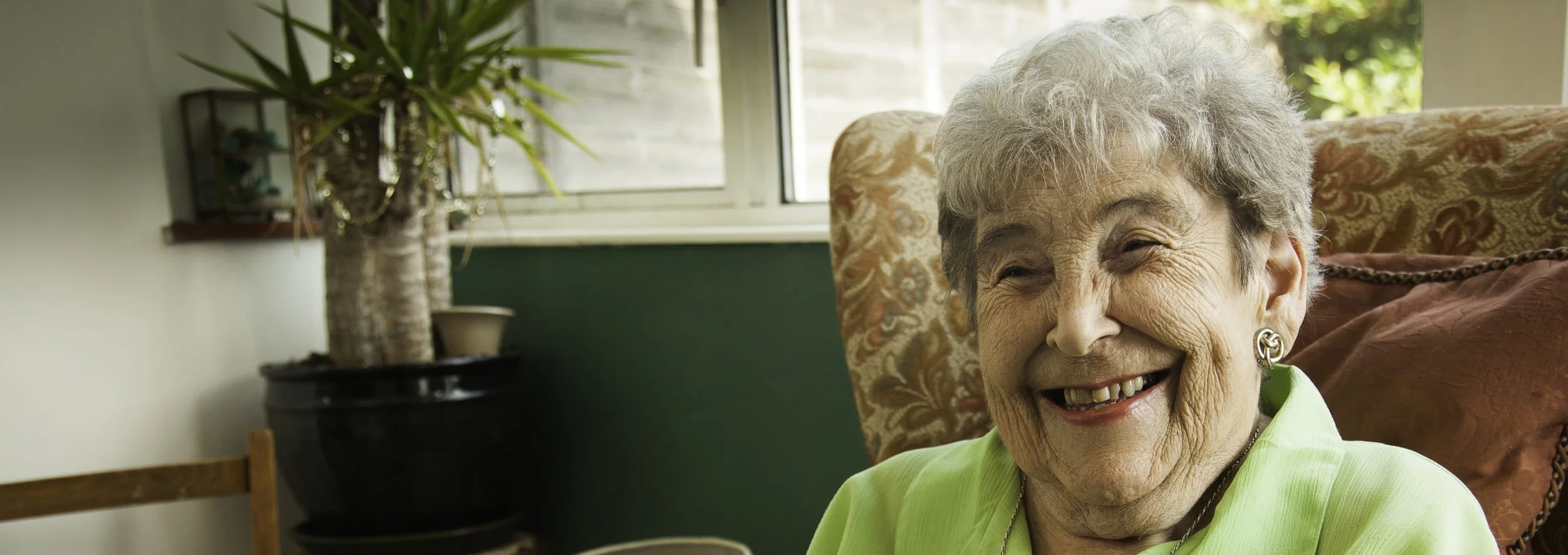
Image source: https://hils-uk.org/
HILS are a social enterprise with charitable status, supporting elderly and vulnerable people to live happy, healthy and independent lives. I was brought in during rapid expansion (one to three counties, plus an acquisition).
This engagement was a truly humbling experience. The impact of their work is very tangible, and the passion of the team is boundless. Being in a position to help them achieve more was a real pleasure, and I greatly enjoyed spending time with a team of people driven by a common purpose of making people’s lives better.
My work with them included these things:
Led a strategic assessment of the organisation’s ability to deliver quality service, with recommendations to the executive team.
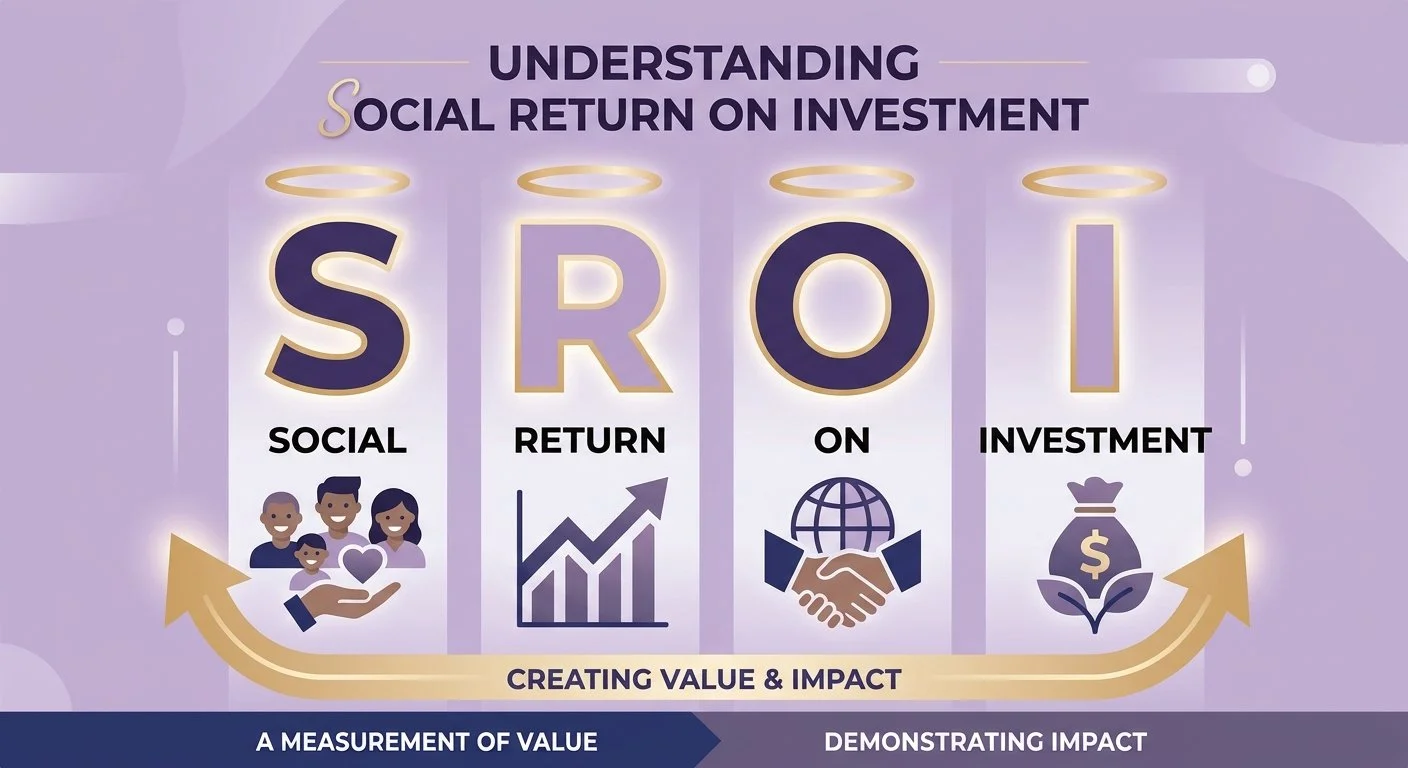
Calculated social value using SROI: £6.74 for every £1 invested, a modest improvement on an evaluation 15 years earlier. Fed the findings into work on purpose and priorities and prompted its use in funding and commissioning conversations.
Limited the number of changes running at once and introduced OKRs and improved governance rhythms. The result was a tighter focus on the most valuable services and a leadership team acting as one.
Reinvigorated a client experience measurement programme with a three-tier classification with 12 personas of client needs, putting clients at the heart of continuous improvement, supporting plans to scale what works across more regions and demographics.
Below is a brief outline of how I approached the initial assessment.
Strategic Assessment
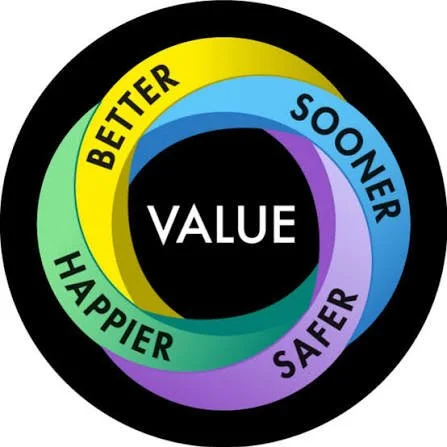
Loosely based on Jon Smart and Myles Ogilvie’s Better Value, Sooner Safer Happier framework, used a blend of qualititative and quantitative analysis to carry out an assessment of the organisation in search of opportunities to better support their scaling challenges. These headings create the opportunity to ask myriad questions about the things that matter for a successful, impactful organisation.
For HILS, the best interpretaion of BVSSH was:
Better - Quality
Value - Impact
Sooner - Speed of change
Safer - Compliance, resilience, human beings
Happier - Employees, clients
The resulting report included highlighted areas for improvement. Being embedded in the organisation for a time enabled me to take the lead in some oreas, whilst equipping and catalysing the team in others, leaving them with the ability to make and measure change as part of a continuous improvement routine.
Social Value
Why measure?
It is one thing to know your purpose, it's quite another to know whether you are acheiving it. And every experiment to boost impact must be measured to evaluate its success.
So, an organisation whose results are not measured in profit levels, or in “the number of meals delivered” (because they are not a fast food service - they deliver “with care”), must find a meaningful alternative.
For HILS, this is the Social Return on Investment. They had a figure that had been robustly calculated 15 years prior, but were they still acheiving that? Were their service levels, their pricing levels, commissioning and reach still able to meet - or exceed - those figures?
Researching changes in the comissioning and social context, reviewing how clients and their next of kin benefitted from the service and establishing changes to their financial structures enabled a recalculation.
The result?
A moderate improvement and, more importantly, a means by which to regularly measure this and use it as a North Star to guide conversations across the organisation on how they could strive to increase that number even further.
Continuous Improvement
Putting the Client in the Centre
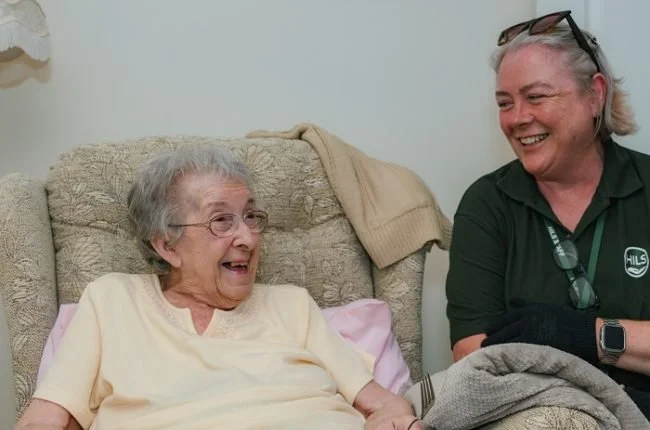
Image source: https://hils-uk.org/
By focusing on the Quality of the Client Experience, any changes that are made can now be assessed on their impact. Increasing the number of clients could broaden their reach, but if that means staff are stretched and clients get less attention, then it will not meet their goal.
Highlighting the wide range of clients - and next of kin - needs through a range of personas provided them with the tools for change impact asessments, staff training and commissioning conversations.
Governance
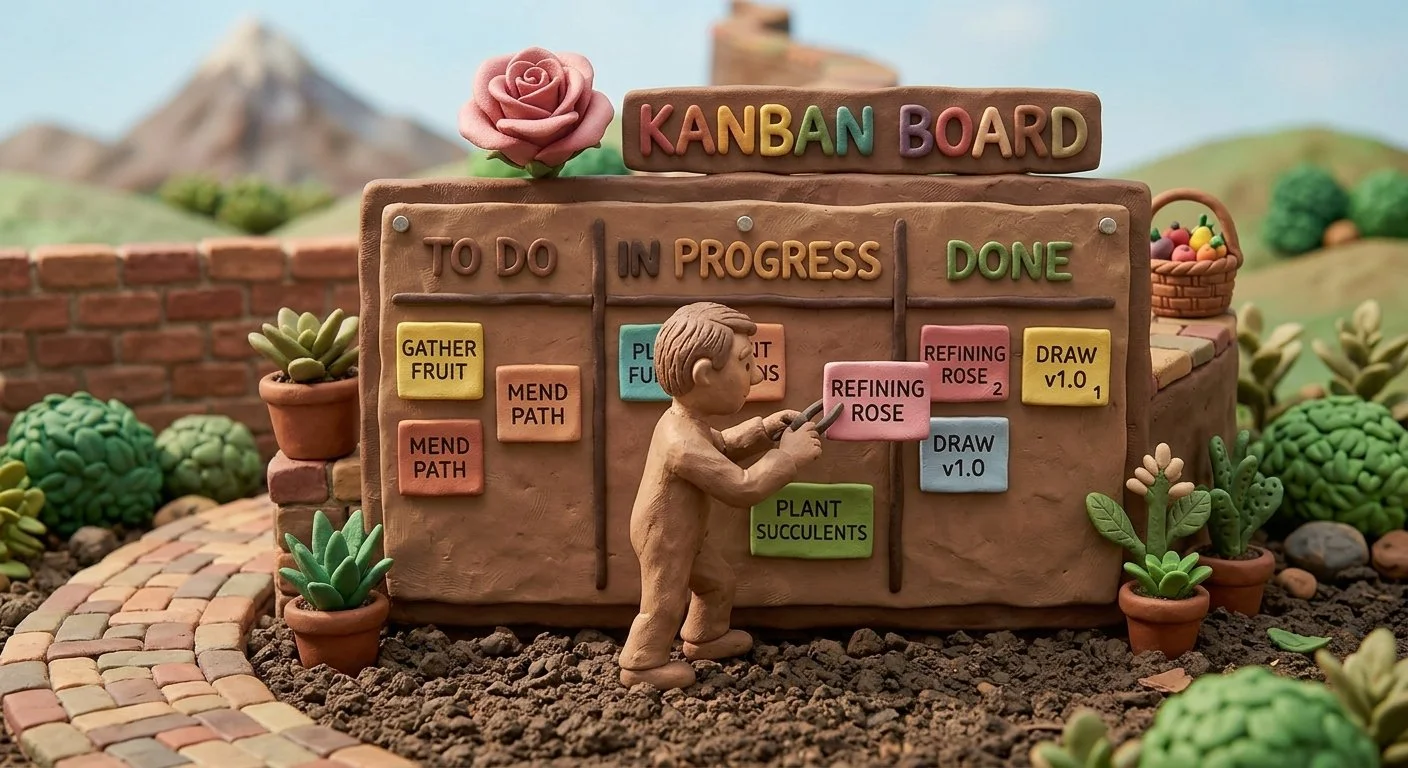
Sometimes, we can do less by doing more. Limiting the number of things being done at once can boost collaboration, and put the focus on the Why something is important, and then making sure it gets completed, without friction, and with maximum results.
Introducing OKRs, and revising governance structures to encourage Limited WIP and validating results left them with a clearer sense of purpose and control.